
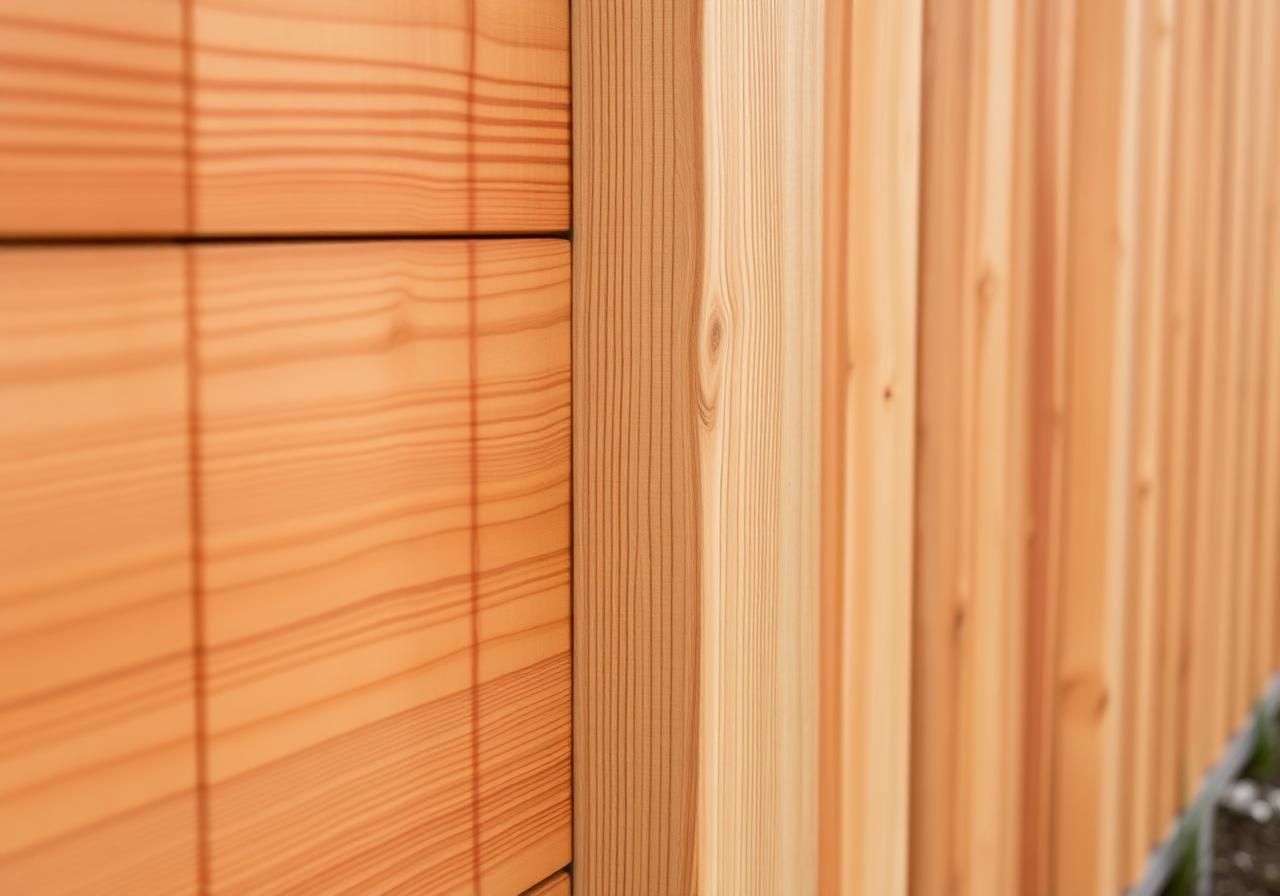
A fence almost never fails where a homeowner points. The call describes a board, a lean or a gate that has stopped latching, and the board is real, but it is a symptom. The part that gave way is usually two feet lower, hidden under mulch or turf, and it failed months before anything above ground started to show. Getting a fence repair right in Huntersville, Cornelius, Davidson or Mooresville starts with working out which of a small number of things actually broke — because that answer, not the length of the fence, decides whether you are looking at an afternoon of work or a replacement.
Key takeaways
- Push-test every post before you price anything. The number of posts that move, not the number of ugly boards, is what decides repair against replacement.
- The build year tells you the chemistry. EPA registration for residential CCA-treated wood was voluntarily canceled effective December 31, 2003, so pre-2004 posts and post-2004 posts are different products that fail on different schedules.
- Gate posts carry a swinging load the line posts never see, which is why the gate is usually the first thing to go and almost never the thing that is actually broken.
- Vinyl and aluminum are the cheapest fences to repair because they fail one panel at a time. The hard part is matching a color and profile years after the original run.
- Some repairs are maintenance and some are construction. Changing the height, the line or a pool barrier can pull your local inspections department into a job you thought was a patch.
Nearly every residential fence fails at one of three points
Residential fences in this market fail at the post where it meets grade, at the gate hardware, or along the fastener line where rails meet posts. Everything else — cupped pickets, a wandering top line, a section that reads drunk from the kitchen window — is downstream of one of those three.
The push test sorts them in about five minutes and costs nothing. Walk the line and put a firm shoulder into every post, not the panels. A post that flexes and returns is fine. A post that moves at the base, or that pivots while the concrete collar stays still, has failed. Note where those posts are: three failed posts clustered at the low corner of a yard is a drainage story, and three failed posts spread evenly down a hundred feet is an age story. They lead to different quotes. The soil profile under a Huntersville post hole explains why the low corner is so often the one that goes first.
The year the fence went in tells you what its posts are made of
A fence built before 2004 almost certainly stands on CCA-treated posts; one built after that stands on a copper-based replacement. The EPA records that chromated arsenical manufacturers voluntarily canceled virtually all residential uses of CCA effective December 31, 2003, and that ACQ — alkaline copper quaternary — is now the most widely used residential wood preservative, registered for fence posts among other uses.
This matters for a repair for two practical reasons. First, the two generations do not fail alike: older CCA posts commonly go brittle and snap at grade while the buried section still looks sound, where copper-based posts more often soften and hold moisture. Second, a treatment level is not a brand promise. Treated lumber is graded against AWPA Standard U1, the primary standard for preservative-treated wood products, and the same fence can carry ground-contact posts and above-ground rails from the same pallet. When a rail rots before a post does, that is usually what happened.
None of this is a reason to panic about an older fence. It is a reason to ask what the posts are before anyone quotes a patch, because a repair that bolts new rails onto brittle twenty-year-old posts is a repair you buy twice. If the posts are sound, wood fence work above grade is genuinely economical.
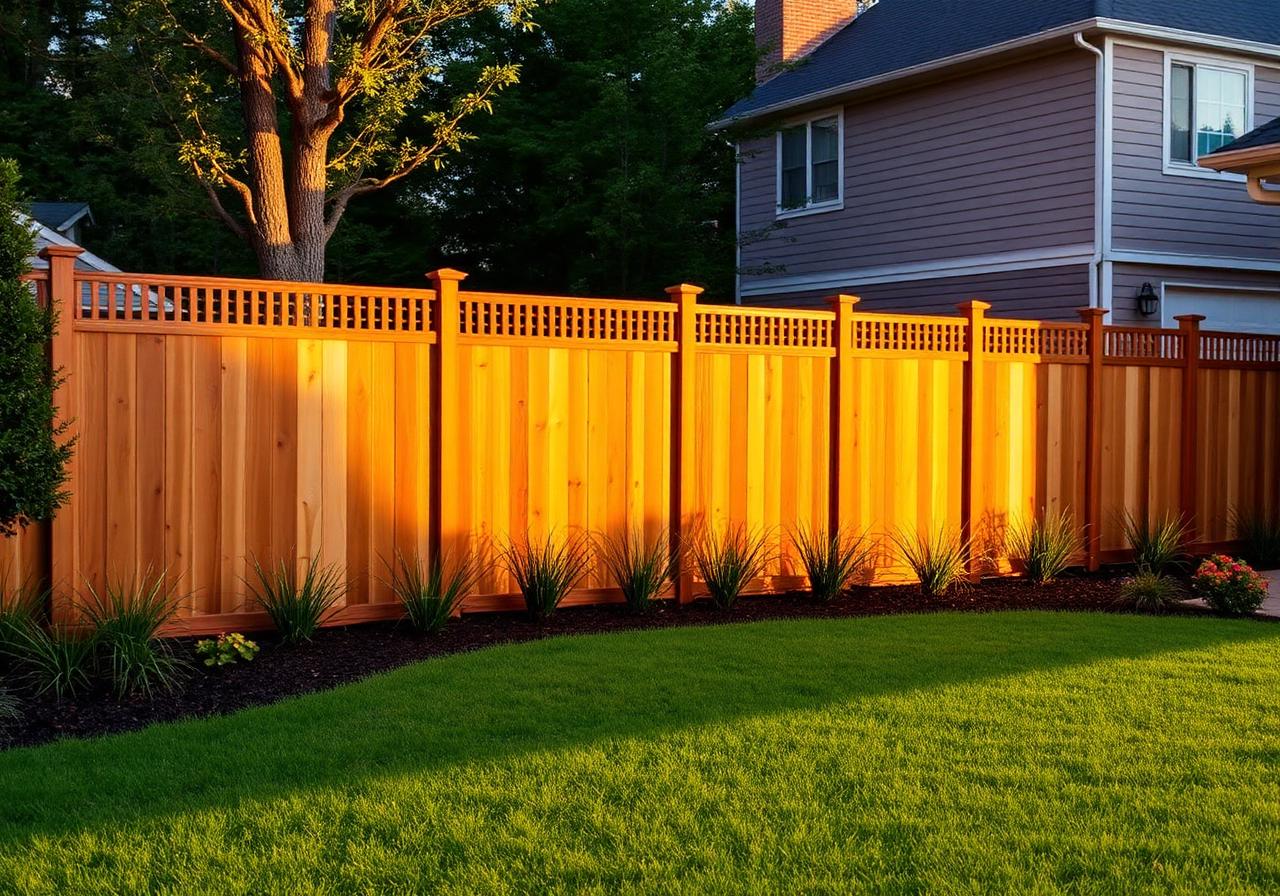
The repair-or-replace line is drawn by how many posts move
Count failed posts as a share of the total. Below roughly one in five, a repair is almost always the cheaper answer. Above that, the labor of working around the survivors starts to cost more than a clean replacement of the run.
The reason is not mysterious. Replacing a post inside an existing fence means cutting the line apart, digging beside neighboring posts without destabilizing them, and then making new material meet weathered material so the joint does not advertise itself. Each of those steps is slower per post than building new, and the work does not get faster with volume the way a fresh install does. Somewhere around a fifth of the line the two curves cross.
| What you see | What has usually failed | Repair or replace | What the fix involves |
|---|---|---|---|
| One post leans, neighbors are solid | That post at grade, or its footing | Repair | Cut out the post and collar, reset a new post, refit the two adjoining sections |
| Gate drags or will not latch | Gate post, hinges, or both | Repair | Plumb or reset the hinge post, then rehang and re-shim the gate |
| Top line wanders across many bays | Multiple posts, usually age | Replace the run | Rebuild rather than chase individual posts |
| Rails sound, pickets cupped or split | Pickets only | Repair | Swap pickets, refasten, let new wood weather in |
| Section blown flat after a storm | Posts plus the panels | Depends on the posts | Push-test the posts either side before pricing anything |
| Vinyl panel cracked, posts plumb | That panel | Repair | Swap the panel; color match is the only real variable |
If the count comes back on the replacement side of that line, price it as a new fence rather than as a very large repair. Our published North Carolina fence cost guide lists the installed per-foot ranges we actually see across this market, and it is a more honest basis for a decision than a repair quote that keeps growing.
Gate sag is a post problem wearing a gate costume
A gate that has stopped latching is almost never a broken gate. The hinge post has moved, or the hinges have worn, and the gate is simply reporting it. Straightening the gate without addressing the post buys a few months.
Gate posts fail first because they carry a load no line post ever sees. A line post holds a static panel between two neighbors. A hinge post holds a cantilever that swings, slams, gets leaned on by children and stops dead against a latch several times a day. That is a cyclical load on a single point, and over years it works the post loose in its footing even where the concrete is intact.
If a contractor quotes you for a gate adjustment without touching the hinge post, they have quoted you for the symptom.
The durable fix is to reset or replace the hinge post, sized and set for the swing it is carrying, then rehang with hardware rated for the leaf weight. That is also why gate work is quoted separately from fence footage on any honest estimate — it is a different job with different failure modes, not a length of fence with a hole in it.
Vinyl and aluminum repair cheaply and match badly
Vinyl and aluminum fences fail one panel or one picket at a time, so the repair is a swap rather than a rebuild. The labor is genuinely low. The variable that catches people is matching a color and profile years after the original install.
Vinyl in particular moves with sun exposure. A south-facing run and a shaded run of the same fence, from the same pallet, will not be the same white after a decade, so a brand-new panel can read as a patch even when it is technically the correct product. Where we can, we pull a replacement from the least visible run and put the new panel there instead. Profiles are the other trap: tongue-and-groove privacy panels, semi-privacy and picket are not interchangeable between manufacturers, and some older profiles are simply out of production. It is worth photographing a rail end and a post cap before anyone orders anything for a vinyl fence repair.
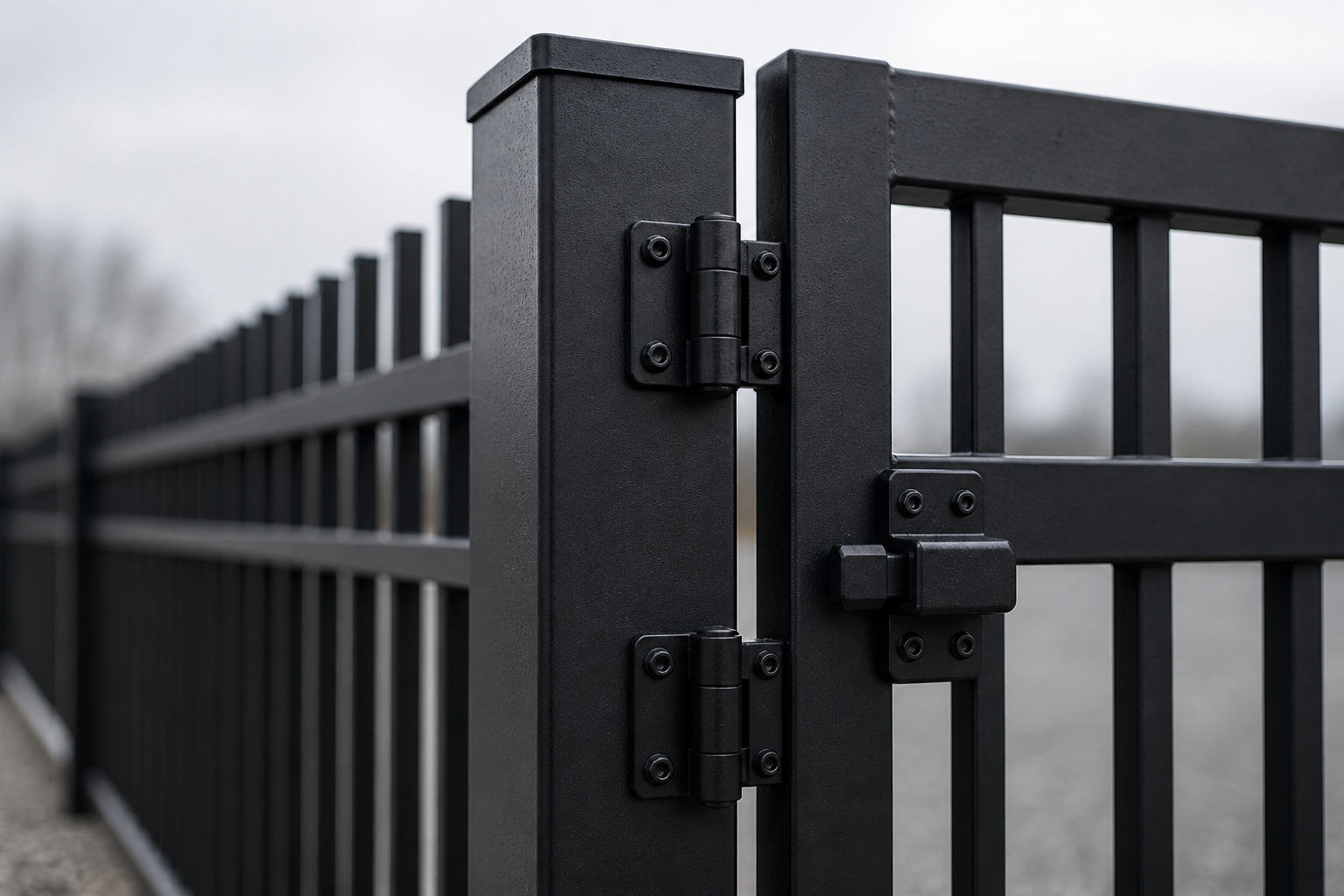
Aluminum is more forgiving because powder-coated black stays black, and individual pickets can usually be drilled out and replaced inside an existing rail. Rust at a weld is the exception, and on an ornamental panel that is normally a panel replacement rather than a repair.
Chain link repair is tension work rather than carpentry
Most chain link problems are fabric and tension, not structure. Sagging mesh, a rolled bottom edge or a section pulled away from the terminal post is usually re-tensioned and re-tied rather than rebuilt, and the posts often need nothing.
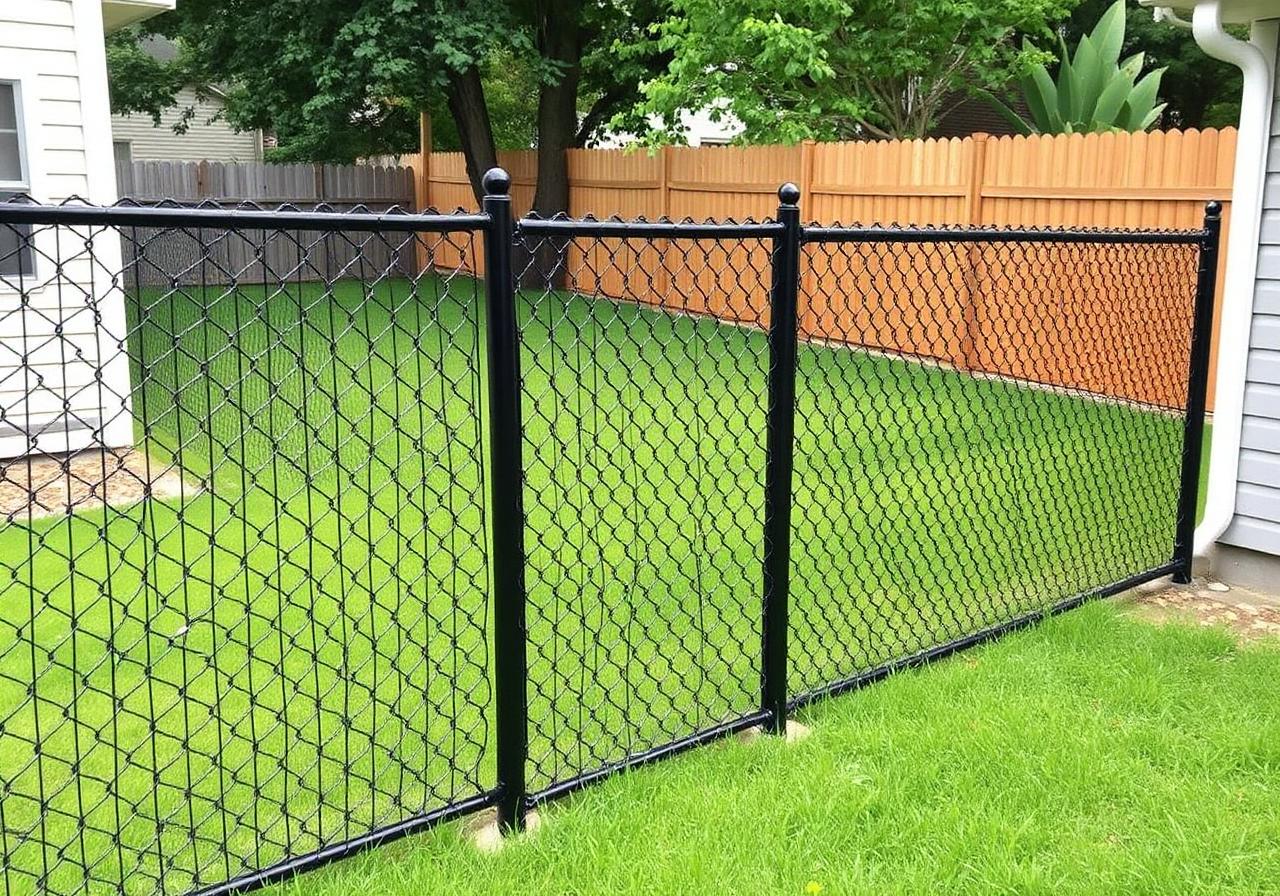
The parts that do fail structurally are the terminal posts — ends, corners and gate posts — because they are the only ones under constant tension. A line post can be bent back or sleeved. A leaning corner post has to be reset, because everything downstream of it is relying on it to hold the fabric tight. Vinyl-coated fabric adds one wrinkle: once the coating is cut or abraded, the steel underneath corrodes from that point outward, so a small tear is worth patching earlier than the same damage on galvanized mesh.
Some repairs quietly become construction
Swapping pickets, rehanging a gate and resetting a post in the same hole are maintenance. Changing the height, moving the line, or altering a barrier around a pool are not, and they can bring your local inspections department into the job.
North Carolina does not leave this to custom. The state building codes are promulgated by the North Carolina Building Code Council and then interpreted and enforced locally, which is why Huntersville, Cornelius, Davidson, Mooresville and Mecklenburg County can each handle the same question slightly differently in practice. Add an HOA and you have a third set of rules with its own approval clock.
Two situations are worth flagging before work starts rather than after. A fence that forms part of a pool barrier is a safety structure, and replacing a section of it is not the same as replacing a section of back-yard privacy fence. And a fence being rebuilt on a line the original installer guessed at is a survey question, not a fencing question — a repair is a bad moment to discover the posts were always four inches onto a neighbor's parcel.
| Material | Normally repairable | Normally replacement |
|---|---|---|
| Pressure-treated or cedar wood | Pickets, rails, single posts, gate hardware | Widespread rot at grade, brittle pre-2004 posts |
| Vinyl | Individual panels, caps, gate hardware | Discontinued profiles, impact damage across several bays |
| Aluminum | Individual pickets, hardware, one panel | Corroded welds, bent rails on multiple bays |
| Chain link | Fabric tension, ties, line posts, fittings | Leaning terminal or corner posts, badly corroded fabric |
What makes a repair visit useful
The fastest way to get an accurate repair number is to do the push test yourself first and tell us the count. Photographs of the base of a failed post, of the gate hardware, and of a rail end for profile matching will usually get you a realistic range before anyone drives out.
We install and repair across Huntersville, Cornelius, Davidson, Mooresville, Denver, Concord and Charlotte. Estimates are free and written, and quotes normally come back within 24 to 48 hours of the site visit. For storm damage where a section is down and a dog or a pool is exposed, call rather than use the form — that is a different queue.
Frequently asked questions
How do I know whether my fence needs repair or replacement?
Push-test every post and count how many move at the base. Under roughly one post in five, repair is almost always cheaper. Above that, working around the sound posts costs more in labor than rebuilding the run, and a replacement quote is the honest comparison.
Can a single leaning fence post be fixed without replacing the whole fence?
Yes, and it is routine. The old post and its concrete collar come out, a new post goes in, and the two adjoining sections are refitted to it. The work is slower per post than new installation because it has to be done without destabilizing the neighboring posts.
Why does my gate sag when the rest of the fence is straight?
Because the hinge post carries a swinging load that no line post sees — a cantilever that moves, slams and stops against a latch many times a day. That cyclical load works the post loose over years. Adjusting the gate without addressing the post is temporary.
Is treated wood from an older fence different from what is sold now?
Yes. Residential use of CCA-treated wood was voluntarily canceled by manufacturers effective December 31, 2003, so a pre-2004 fence and a post-2004 fence usually stand on different preservative chemistries. They age differently, which is why the build year is one of the first things we ask about.
Can a cracked vinyl panel be replaced on its own?
Almost always, provided the profile is still available. The panel itself swaps out without rebuilding the run. The real variable is color: vinyl weathers differently in sun and shade, so a correct new panel can still read as a patch on an older fence.
Do I need a permit to repair a fence in the Lake Norman area?
Straight maintenance such as replacing pickets or resetting a post in place generally does not. Changing height, moving the line, or altering a pool barrier can. North Carolina's codes are set by the state Building Code Council and enforced by local inspections departments, so confirm with your town before the work starts.
What should I have ready before a fence repair estimate?
The number of posts that failed the push test, photographs of the base of one of them, a photo of the gate hardware, and a shot of a rail end or post cap for profile matching. With those, most repairs can be scoped to a realistic range before the site visit.
A repair is worth doing when the bones are sound and worth refusing when they are not, and the difference is measurable in an afternoon with nothing more than your own shoulder and a tape. If the count comes back ambiguous, that is exactly the case worth a second opinion before money changes hands.
Planning a fence in the Lake Norman area?
Get a written, itemized quote — usually within 48 hours. We handle permits, HOA review, and shoreline approvals.
Get my free estimateMore local guides

Fence Installation in Lake Norman: A 2026 Local Homeowner's Guide
Permits, HOA rules, soil, and lakefront setbacks — everything Lake Norman homeowners should know before installing a fence in Mooresville, Cornelius, Huntersville, or Davidson.
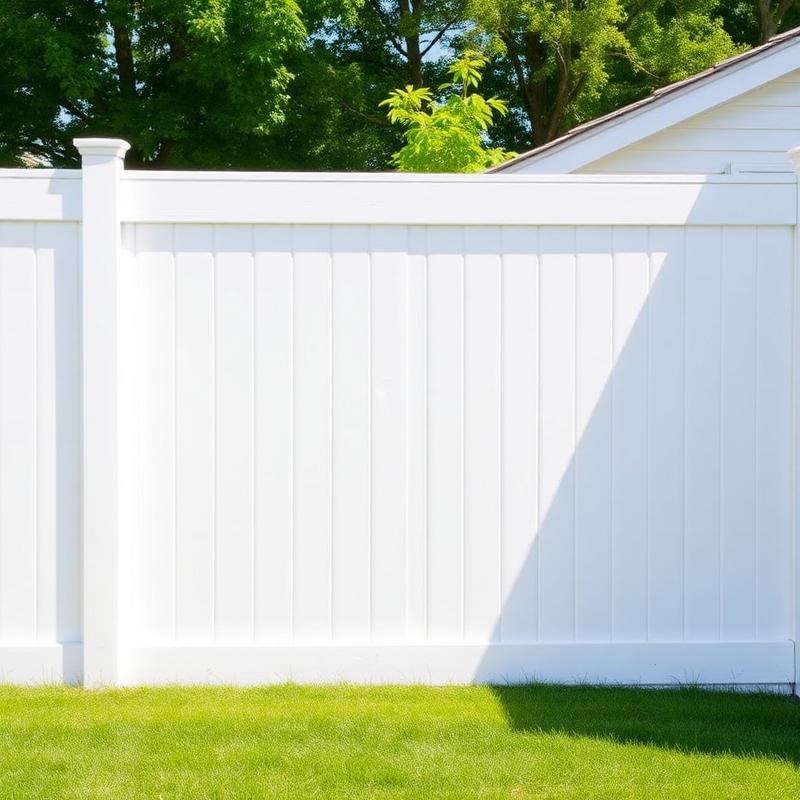
How Much Does a Fence Cost in North Carolina? (2026 Pricing Guide)
Real installed price ranges per linear foot for wood, vinyl, aluminum, and chain link in the Charlotte / Lake Norman area — plus the local cost drivers that move the number.
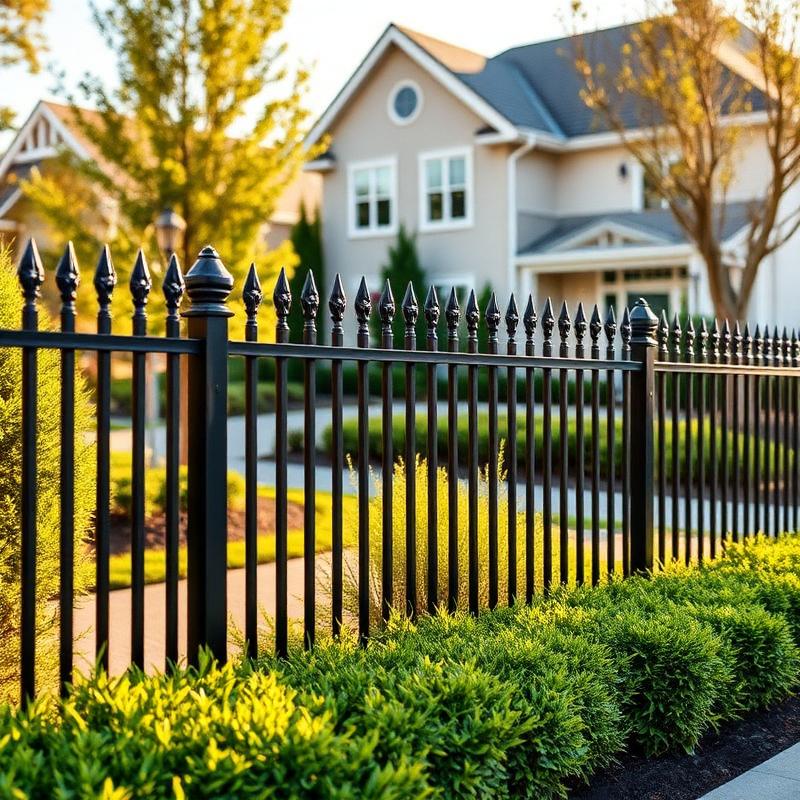
Best Fence Types for Mooresville & Huntersville Homes
The fence styles that actually hold up to NC humidity, summer storms, and HOA design standards in Mooresville, Huntersville, and Cornelius — ranked by what we install most.